




Iran's efforts to encourage marriage have met with limited success, as the number of marriages continues to decline. Despite offering financial incentives, housing support, and cultural programs, the Islamic Republic's policies have failed to reverse the downward trend.
According to the National Organization for Civil Registration of Iran, the number of marriages decreased by 1.5 percent in the past six months compared to the same period last year. This decline is part of a broader trend, with marriage rates in 2023 falling by nearly 39.5 percent compared to 2013.
Over the past two decades, the Islamic Republic has implemented various strategies to promote marriage and increase the fertility rate, as emphasized by the country’s Supreme Leader, Ali Khamenei. These measures include discontinuing family planning education, restricting access to contraception, banning vasectomies, and increasing penalties for abortion.
As these policies proved ineffective, the authorities have turned to more informal methods to boost marriage rates. They include the creation of matchmaking websites and channels on platforms like Ita, where users can find potential spouses.
The Iranian government established its first matchmaking center in 2015, supported by the Islamic Development Organization and the Imam Khomeini Relief Foundation. Tebyan Cultural Institute also launched a similar system in Qom. Initially piloted in Tehran, the internet-based matchmaking platform expanded nationwide.
By March 2022, there were 40 licensed matchmaking institutions. The 2021 Family and Youth Protection Law accelerated their growth. Under Article 37, centers require approval from the Islamic Development Organization and a license from the Ministry of Sports and Youth. The law mandates the Islamic Development Organization to promote marriage through cultural institutions, mosques, clerics, and public platforms, emphasizing family involvement and adherence to legal and Sharia standards.
In just one year, the number of matchmaking centers tripled to 120. As of September 2024, there were 174 centers, a five-fold increase since the Family and Youth Protection law's approval.
A Modern Business of Love
Iranian matchmaking centers operate on a detailed registration process, involving extensive personal information and careful matching.
To register, individuals must provide detailed personal information, including parental occupations, religious views, and personal habits or hygiene routines. They also disclose standard details like age, weight, height, income, and religion. Preferences for a potential match, such as clothing style, age, education, and religious practices, are also required. Registration necessitates scanned copies of birth certificates, national ID cards, educational certificates, and a utility bill.
Once registered, a team of experts reviews profiles to find suitable matches. If a match is identified, both parties undergo personality tests before a face-to-face introduction, typically involving families.
According to Mohammad Marvar, Secretary of the Qualification Review Council of the Matchmaking Centers at the Islamic Development Organization, the centers are authorized to charge 150,000 tomans ($2.5) for registration, with an additional fee of 50,000 tomans (less than $1) for each potential match, whether identified through artificial intelligence or traditional methods.
In an interview with ISNA news agency, Marvar revealed that many individuals responsible for matching applicants are the same trusted locals who historically acted as marriage intermediaries in their communities. These individuals now work within the framework of these formal matchmaking centers.
While these centers operate with official licenses, there are also unofficial initiatives aimed at increasing the marriage rate, including programs like "Islamic Blind Date."
Blind Date, Islamic-Style
In the final months of last year, Iran witnessed a surge in popularity for a unique dating show broadcast on Instagram, titled "Blind Date." The format, which involves a man and a woman sitting on opposite sides of a wall and answering questions about themselves, quickly garnered a massive following.
The young host of the show, known as "Viny," amassed over 1.2 million followers before his account was shut down by Iranian authorities in March. Despite the ban, his videos remain accessible on YouTube.
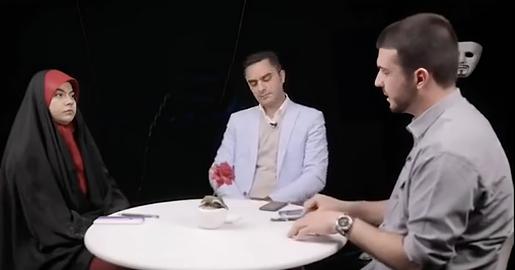
Many participants in the series also had their accounts deactivated, leading to an Islamic version of the show on YouTube where participants discuss topics such as dowry expectations, women's rights to work, and preferred pilgrimage destinations.
In this adaptation, men and women see each other from the beginning and engage in conversations adhering to the standards of the Islamic Republic, guided by a presenter who emphasizes traditional gender roles and religious teachings.
Traditional Values Meet Modern Technology
The rising popularity of online matchmaking in Iran is evident in the numerous channels and groups on messaging platforms like Ita. With over 30 million users, Ita hosts hundreds of communities. Of these, over 470 channels and groups are dedicated to matchmaking.
Some of these channels feature profiles of individuals seeking a match, often focusing primarily on appearance and material possessions. In these channels, volunteers may publicly share their phone numbers, allowing direct contact without the involvement of intermediaries, psychological assessments, or registration fees.
Among the matchmaking channels on Ita, there are those where participants express their beliefs about religious and political matters, such as adherence to the concept of Velayat-e Faqih (the Guardianship of the Islamic Jurist) and willingness for martyrdom. Participants also specify their preferred type of marriage, whether temporary or permanent.
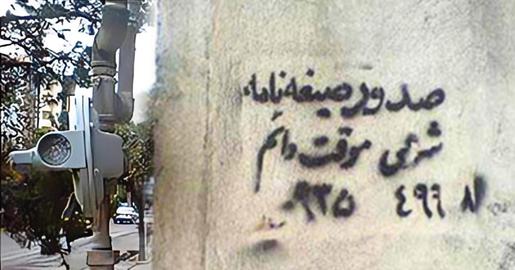
While official matchmaking centers are not authorized to facilitate temporary marriages, as stated by the secretary of the Islamic Development Organization, these unions are frequently discussed and promoted on Ita.
Economic Barriers to Marriage
Iran's economic woes are taking a toll on its marriage rates, according to a recent report by the Parliament Research Center. The report highlights the high living costs, housing, unemployment, and a bleak outlook for the future as the primary factors deterring young people from tying the knot.
Despite these findings, the Islamic Republic's policymakers have chosen to prioritize matchmaking initiatives over addressing the underlying economic challenges. They hope that promoting marriage will automatically address population concerns.

Interested in writing for IranWire?
Share your stories.



comments