



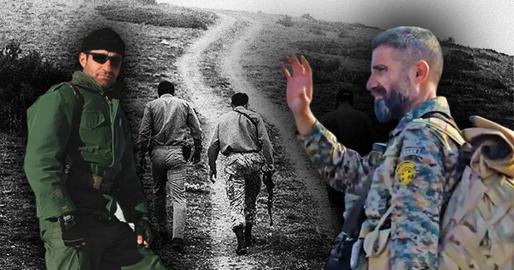
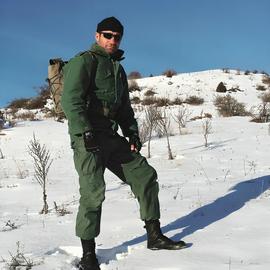
Mahmoud Shahmoradi was tracking illegal hunters through Iran’s Golestan National Park when gunfire erupted at 5 p.m. on a scorching August afternoon.
Within moments, the 47-year-old head ranger lay dying from a close-range gunshot to the chest, becoming the third environmental protector killed in Iran this year.
The veteran ranger’s death shows a growing crisis facing Iran’s understaffed and under-equipped environmental protection force, where rangers armed with outdated weapons and unclear legal authority confront increasingly bold hunters willing to kill to protect their illegal trade.
Shahmoradi’s killing on August 6 followed a grim pattern.
Just 102 days earlier, Ranger Kazem Mosaddegh was shot dead by hunters in the same national park.
Sixty-four days before Shahmoradi’s death, Hedayatollah Dideban, a ranger supervising the nearby Khayiz protected area, was killed when hunters shot him in the head.
“We don’t deserve to die like this,” said Arsalan Baghani, a ranger who helped transport Shahmoradi’s body from the remote Solgerd heights.
His words, captured in a viral social media video, echoed across Iran’s environmental protection community.
With Shahmoradi’s death, 154 Iranian rangers have been killed in the line of duty over the past five decades, according to official numbers.
At least 400 more have been injured by violators while protecting nature, the Etemad newspaper reported.
Iran’s environmental rangers face a daunting task with insufficient resources. The country needs one ranger per hectare of protected area according to international standards, but currently employs only 3,000 rangers total.
Many lack basic equipment, including adequate food rations for their 15-day shifts in remote wilderness areas.
“We still don’t know under what conditions we should use this weapon the government gave us against violators,” Dideban said in a video that circulated widely after his death.
The ambiguity isn’t just about weapons use.
Rangers lack modern surveillance equipment like drones and advanced cameras that could reduce dangerous face-to-face confrontations with hunters.
Instead, they must physically track hunters through difficult terrain, often leading to deadly encounters.
Amirhossein Nazari, spokesperson for Parliament’s Environment Commission, acknowledged that “lack of advanced equipment threatens rangers’ lives” and promised lawmakers would address legal gaps regarding weapon use.
But critics say such promises have been made before without meaningful change.
Shahmoradi embodied the dedication Iranian rangers bring to their dangerous work. Born in 1979, he lost his father during the Iran-Iraq war and joined the Environmental Protection Organization 12 years ago.
He initially served as head ranger in Dasht before being promoted to lead the Solgerd station less than two years ago.
His Instagram account, last updated in April, shows 27 images documenting his life protecting Golestan National Park, including photos of his children experiencing nature and images honoring Taj Mohammad Bashghareh, another ranger killed by poachers in 2018.
“He behaved in a way during meetings that didn’t sit well with me, but after some interaction, traveling together, and several hiking trips, our friendship became so solid that I cannot and do not want to believe he’s gone,” wrote wildlife documentarian Nima Asgari.
Shahmoradi’s 15-year-old son, Yaqub, appears in park videos, including one showing a bear sighting.
The ranger had embraced technology after receiving a camera from park management, regularly filming leopards, bears, and other wildlife in the protected area.
Just two months before his death, Shahmoradi arrested a suspect connected to the 2018 killing of ranger Bashghareh - a man who had returned to hunt illegally despite having an open court case.
The suspects in Shahmoradi’s killing exemplify the challenge rangers face. Both arrested hunters had been caught illegally hunting the previous year and sentenced to pay fines, yet returned to the same area.
Police arrested both suspects, including the shooter, within three hours of the killing. The gunman was captured in Ashkhaneh city in neighboring North Khorasan province after fleeing the scene.
However, enforcement remains inconsistent.
While suspects in Shahmoradi’s case and another ranger’s death have been arrested, the main perpetrator in Dideban’s killing remains at large more than two months later.
The wildlife population in Golestan National Park has surged from 2,000 to 12,000 animals due to participatory protection methods implemented since 2017, making the area more attractive to hunters.
“The main problem comes from the Environmental Protection Organisation’s lack of clear policy, especially regarding new protection methods,” said Kiomars Ghareh-Tougheh, an environmental activist from North Khorasan.
He added, “A participatory protection plan is being implemented experimentally in Golestan National Park, but no unified policy or practical procedure emerges from it.”
The park’s diverse ethnic communities add complexity to management, Ghareh-Tougheh said, requiring “a clear and transparent mechanism” where all stakeholders “have a role and even benefit.”
Despite repeated tragedies, the government's response has been largely ceremonial.
Shina Ansari, Vice President and head of the Environmental Protection Organisation, typically attends rangers’ funerals and makes statements about protecting nature’s defenders, but activists say she lacks operational programs to improve ranger safety.
Media attention has been similarly limited. When Shahmoradi was killed, only three of Iran’s 140 newspapers gave the story prominent coverage, despite it being the third ranger murder of 2025.
The disconnect between rhetoric and action frustrates those working to protect Iran’s environment.
Rangers continue patrolling with inadequate equipment and unclear authority while hunters grow bolder, knowing they face limited consequences.
Beyond individual cases, the ranger killings reflect broader challenges in Iran’s approach to environmental protection.
The country’s protected areas cover vast territories with diverse ecosystems, from mountain forests to desert wildlife refuges, but lack comprehensive management strategies.
Rangers often work alone or in small groups across enormous areas, making them vulnerable when confronting organized poaching operations.
The isolation that makes these areas valuable for wildlife also makes rangers easy targets for criminals willing to use violence.
Legal ambiguities compound the problem. Rangers carry weapons but face unclear guidelines about when they can use them, creating hesitation that poachers exploit.
Meanwhile, court sentences for environmental crimes often involve only fines, failing to deter repeat offenders.
As Iran’s environmental protection crisis deepens, rangers like Baghani continue their dangerous work while demanding change.
His plea after transporting Shahmoradi’s body captured the frustration of those risking their lives to protect nature.

Interested in writing for IranWire?
Share your stories.




comments