



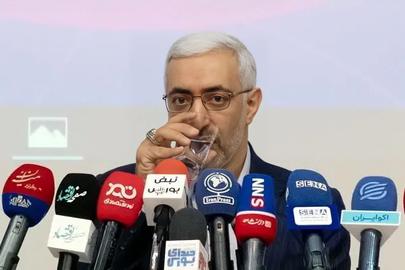
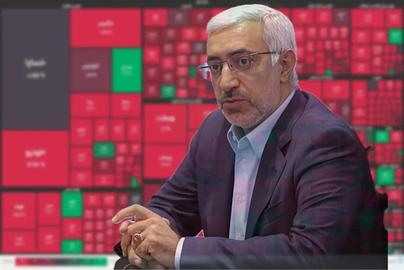
Three days after the revelation of a scandal involving billions of rials in low-interest loans to board members of the Iran Stock Exchange Organization, Majid Eshghi, the head of the organization, resigned from his position.
The scandal, which happened during the final days of Ebrahim Raisi's administration, has been dubbed the "Loangate."
On September 7, Majid Eshghi resigned from his position as head of the Iran Stock Exchange. At the heart of the controversy were low-interest loans totaling 10.5 billion tomans ($175,000) secretly granted to five senior managers, including Eshghi himself. The self-approved loans triggered a firestorm of media outrage, official scrutiny, and public backlash.
The scandal reported on September 4 when a leaked letter from the General Inspection Organization surfaced on Shargh newspaper’s Telegram channel. Dated August 31, the letter revealed the approval of loans at a mere 4 percent interest with a 10-year repayment plan, all funded by the Stock Exchange and Securities Organization internal resources.
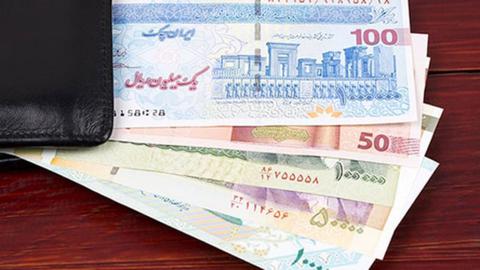
The decision, made in the final days of the Ebrahim Raisi government and contrary to the strict orders of President Masoud Pezewshkian, involved significant sums. Majid Eshghi received 2.7 billion tomans ($45,000), while the other board members each received 1.9 billion tomans ($32,000).
The loans were approved during a period of turmoil in Iran's capital market, prompting the General Inspection Organization to urge the Minister of Economy to investigate the matter. The key issue was the disparity between the loan installments and market interest rates.
For example, Eshghi’s nearly 3 billion toman loan, with a 4 percent interest rate, results in monthly payments of approximately 9 to 10 million tomans ($160) in the later years of the 10-year term. In contrast, the minimum interest on similar investments in fixed capital funds or banks would be around 50 million tomans ($830) per month.
The deal guaranteed Eshghi a cushy monthly benefit of 40 million tomans for the next decade, secured by just a single check. In stark contrast, regular borrowers face mountains of paperwork, hefty collateral, and long waits to secure even modest loans from banks.
Controversial Defense of the "Loangate" Scandal
In response to the scandal, Majid Eshghi defended himself by calling the allegations a "big lie." He asserted that the approval process for these loans was entirely normal, legal, and in accordance with the Supreme Council of the Stock Exchange law.
However, Eshghi did not explain why such actions were taken during the transitional period between administrations and shortly before his departure from the stock exchange market. Despite claiming that the approval was legal, Eshghi’s defense raises questions about why these decisions were made under such circumstances.
Eshghi defended the loans as legal, claiming such amounts are common in other institutions. He argued that the stock exchange faced “unique conditions” justifying the need to retain top talent. However, he failed to explain what these “special conditions” were or why stock market employees deserved better treatment than nurses, retirees, workers, or those who have endured financial losses.
New Developments in the "Loangate" Case
Soon after Eshghi's defense, fresh allegations surfaced. Mohsen Alizadeh, a former member of the Supreme Council's supervisory board, called the loan approvals a clear violation. He revealed the resolution was signed on May 28, just one day after his term ended, hinting that Eshghi, both Secretary and head of the Stock Exchange, rushed the approval right after Alizadeh’s oversight ended.
It appears that the board, under Eshghi’s management, held a meeting and approved these loans from the Stock Exchange’s funds the day after Alizadeh’s term concluded.
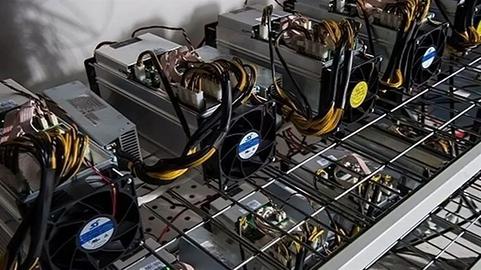
Furthermore, the scandal deepened with the revelation of additional misconduct: news broke that several mining devices had been installed in the basement of the Tehran Stock Exchange building for Bitcoin mining, shortly after the death of Ebrahim Raisi in May.
Public Shock and Reactions to the Loan Scandal
The controversy surrounding the low-interest loans granted to the Board of Directors of the Iran Stock Exchange Organization has captured significant public and media attention. On September 7, headlines across Iranian media were dominated by the scandal.
The hardline Kayhan newspaper emphasized the need to scrutinize large financial transactions involving bank subsidiaries.
Hadi Mohammadpour, a new supervisory member of the Supreme Council of the Stock Exchange, criticized the timing of the loan approvals, suggesting they took advantage of the transitional period between administrations. He said the loans are "a clear violation."
Fatemeh Maghsoudi, spokesperson for the Economic Commission of Parliament, highlighted the disparity in loan distribution, noting that "while the public struggles with small-scale loans for essential needs, board members are receiving billions."
The Minister of Economy, Abdul Naser Hemmati, added to the official response by tweeting that the new government "is committed to eliminating corruption and preventing special treatment for individuals."
He instructed the Ministry of Economic Affairs and Finance to require stock exchange managers to disclose the documents and rationale behind the loans.
Emergency Meeting of the Supreme Council of the Stock Exchange
Typically, the Supreme Council of the Stock Exchange convenes on Tuesdays, but an emergency meeting was called on the day of Majid Eshghi's resignation to address the scandal. According to the law, Eshghi's dismissal must be approved by the majority of the Supreme Council members, chaired by the Minister of Economy.
Eshghi, a graduate of Imam Sadegh University and appointed as the head of the Iran Stock Exchange Organization on October 31, 2021, had his tenure extended until April 8, 2024, with the support of the Supreme Council. However, just five months later, he resigned in the wake of the scandal.
Eshghi, who had been one of the key figures in the Raisi administration's efforts to address stock market issues, faced criticism for failing to improve the Iranian capital market. Instead, his tenure is marred by the scandal.
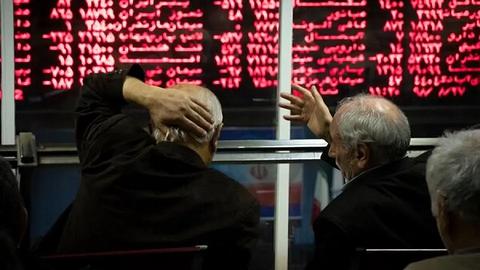
The stock market experienced its most significant decline during Eshghi’s administration.
The market’s struggles continued this year, exacerbated by the assassination of Ismail Haniyeh in Tehran.

Interested in writing for IranWire?
Share your stories.







comments