



The growing dental health crisis among Iranian workers reveals deeper economic struggles caused by rising healthcare costs and low wages.
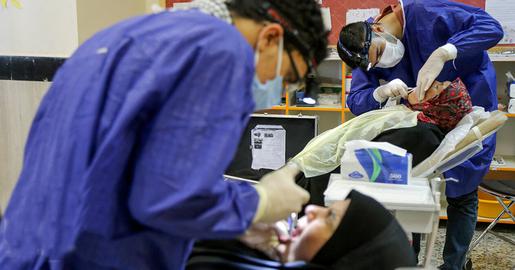
Somayeh Golpour, head of Iran's worker unions, says laborers are forced to choose between enduring severe dental pain or having their teeth extracted because treatment is expensive.
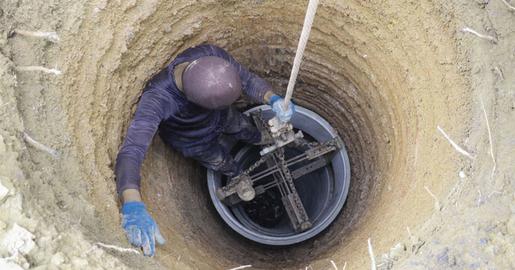
Morteza Alivand, a 47-year-old National Iranian Drilling Company worker, provides a firsthand account of the systemic challenges. Despite having a contract and what he considers a “not bad” income, he finds dental treatment financially out of reach.
“The situation for contract workers is even more desperate,” Alivand explains. “We have workers under 40 who receive meager wages and suffer from devastating oral health conditions.”
The economic pressures are multifaceted. Declining purchasing power, inadequate dental insurance, and rising healthcare costs have turned dental care from a basic health necessity into an unaffordable luxury for many workers.
“I work 14 days on-site and have 14 days off. I’m 47 and will retire in three years. I have a permanent contract, and my income is not bad, but there’s still no money left for dental treatment,” Alivand says.
He adds, “You may not believe it, but we have workers under 40 employed through contractors who receive meager wages and endure extremely inhumane working conditions."
"Many don’t have a single healthy tooth left, and it’s not just about teeth. Workers’ physical strength has deteriorated so much that they suffer constant injuries while performing heavy labor. This is largely due to consuming unhealthy, extremely cheap, and insufficient food.”
The oil worker recounts his experience with dental pain and visiting a dentist.
“Some time ago, I had severe tooth pain. It was unbearable. I endured it with painkillers until my off-duty time arrived. I went to the dentist, and after an X-ray and examination, he said the tooth nerve was affected. But when he told me the cost of a root canal, I realized the only way to get rid of the pain and resolve the issue was to pull the tooth.”
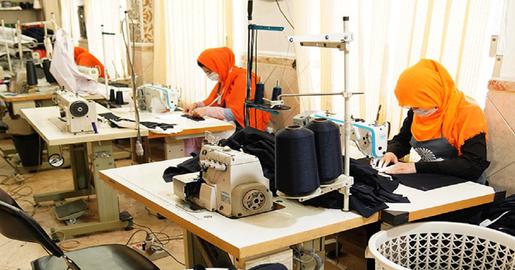
Vahideh, a garment worker at a school uniform workshop in southern Tehran, is 38 years old and has 20 years of experience as a skilled fabric cutter in well-known companies.
She tells IranWire, “I’ve probably been to the dentist twice or thrice in my life. Each time, I delayed treatment so long that my teeth rotted. Once, one of my teeth broke, leaving the root behind, and I needed surgery. I had to take out a loan for the procedure - with my income, it was otherwise impossible.”
According to Vahideh, female workers face more dental and oral health issues than their male counterparts.
“Women workers, due to constant blood loss during menstruation, frequent and sometimes back-to-back pregnancies, and lack of supplements like zinc and iron, are at high risk of severe osteoporosis and see their teeth deteriorate faster," she explains.
She adds, “Many of my coworkers have lost a significant number of teeth at a young age. One of my colleagues even had all her teeth pulled and now wears dentures - something that used to happen only to people over 70.”
In May, Hossein Ali Shahriari, head of the Parliament's Health and Treatment Committee, spoke at the Iranian Dental Society Congress about the “poor living conditions” of citizens.
He said, “It has reached a point where many people pull their teeth instead of fixing them.”
He said that preventive measures for dental diseases have been implemented in major cities and provincial centers, but “residents of underprivileged areas face major challenges in accessing dental care.”
Ali Kazemian, head of the Oral Health and Social Dentistry Association, told Shargh newspaper, “In dental services, we are witnessing clear inequalities in access to healthcare.”
He believes the government must make essential dental services accessible to the “disadvantaged and low-income classes.”
The Ministry of Health has not updated statistics on the prevalence of oral and dental diseases in Iran. However, the latest available data from 2016 shows that, on average, each Iranian has at least six decayed teeth.
A significant percentage of people aged 30-40 have lost around 12 teeth, and the situation is worse for those over 65, with more than 50 percent having no healthy teeth at all.
Figures suggest tooth decay rates among Iranians have tripled over the past two decades.
Social Security Insurance only partially covers dental expenses. It includes basic procedures like tooth extractions, fillings, and scaling, but common treatments such as root canals are excluded.
Another issue the ISNA news agency highlights is the limited number of clinics contracted with Social Security. Long waiting times in these facilities further add to patients’ burdens.
According to 2024 tariffs, extracting a regular tooth costs 1.5 million tomans ($20), and pulling a wisdom tooth requires at least 2 million tomans ($26). The average monthly salary for a worker in Iran is around 15 million tomans ($200).
However, dental treatment costs in Iran vary significantly depending on the dentist, clinic, the doctor's experience, and the materials used.
Dentists in Iran confirm a significant decline in people seeking dental care.
One well-known dentist in southern Ahvaz shared with IranWire, “A worker or employee earning a meager salary naturally prioritizes daily food, rent, and possibly their child’s education. Most people - whether for dental issues or general health problems - can’t visit a doctor until the situation becomes dire or an emergency.”
The dentist, who dedicates one day a week to providing free dental treatment for child laborers, female breadwinners, and low-income groups, says, “Sometimes, young men and women come in, and when I ask why they delayed seeking treatment, they say they had more urgent expenses. For many low-income families, dental care is not considered essential.”
Expressing concern for children and women in underprivileged families, he adds, “On my free treatment days, I usually give out toothbrushes, toothpaste, mouthwash, and dental floss to the children as gifts."
"I explain to them that they must brush their teeth morning and night, but the financial pressures are such that people only think of eliminating the problem by extracting the tooth. Actual treatment rarely happens.”
A significant part of citizens’ criticism of the Islamic Republic’s authorities revolves around the government’s allocation of public funds.
Many argue that resources are spent on equipping and strengthening proxy groups or reinforcing political and religious institutions that often collaborate in suppressing protests.
Meanwhile, the essential needs of workers, retirees, and other wage earners remain unmet.
One of the campaign promises of President Masoud Pezeshkian was to “solve the people’s economic problems.” However, not only has this promise remained unfulfilled, but since his government took office, prices for most essential goods have risen by about 40 percent.
The economic burden on ordinary Iranians has only grown more severe, with the cost of living far outpacing wages.
According to a parliamentary resolution, the minimum pension for retirees in 2025 will barely reach 12 million tomans ($160). Yet, as reported by Iran’s official media, the average rent in major Iranian cities stands at 15 million tomans ($200).

Interested in writing for IranWire?
Share your stories.



comments