



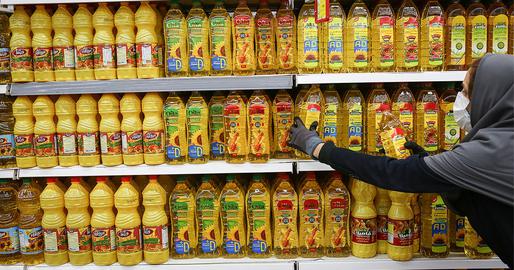
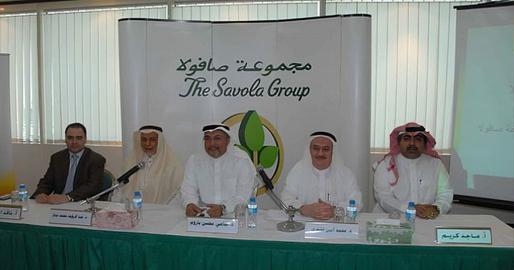
Savola Group, the biggest Saudi investor in Iran that had more than 50 percent of Iran’s cooking oil market, has suddenly sold all its assets in the country, worth an estimated 705 million Saudi riyals, around $188 million, and has left Iran’s stock market.
Savola Group, the largest Saudi investor in Iran and a dominant player in its cooking oil market, has sold all its assets in the country. Valued at approximately 705 million Saudi riyals ($188 million), the company has also exited Iran’s stock market.
Savola had remained in Iran through seven years of strained Iran-Saudi diplomatic relations. However, as both Iran’s domestic and international conditions have worsened, the company has now decided to leave.
This withdrawal by Saudi Arabia from Iran’s food industry comes nearly two years after the two countries restored diplomatic ties. At that time, Saudi Arabia was reportedly keen to invest in Iran, including in its food sector, as a gesture of goodwill.
Sulaiman Abdulkadir Al-Muhaidib, the founder of Savola Group, also serves as the chairman of its board of directors. Savola is a publicly traded company listed on Saudi Arabia’s stock exchange.
The largest shareholders include the Al Saud royal family, which holds approximately 10% of the company’s shares. The Al-Muhaidib family, a prominent name in Saudi business, also owns a significant portion of shares. The remaining shares are held by various individual and institutional investors trading through the Saudi stock exchange.
The departure of Savola from Iran raises pressing questions about its potential impact on the Iranian market and employment in this sector. With Iran's economy in dire need of both domestic and foreign investments, what will be the short- and long-term consequences of losing such a major player?
Savola Group’s Background
Savola Group was founded in January 1979, a month before the victory of the Islamic Revolution in Iran, with a capital of 40 million Saudi riyals. It began by producing vegetable oils in Saudi Arabia and quickly grew into one of the leading food industry giants in the Middle East, North Africa and Turkey, supplying edible oils, sugar, bread, dried nuts, frozen food, spices, dates and confectioneries.
In addition to production, Savola is active in retail, owning the largest grocery chain in the region, Panda Retail Company. By 2024, the Savola had increased its capital by 112%, ranking 9th among Saudi Arabia's top 100 companies and 2nd in the industrial sector.
Savola in Iranian Market
Savola entered the Iranian market in 2003 by purchasing 51% of Behshahr Industrial Co. and 53% of Margarine Co. for 290 million Saudi riyals ($77 million). This gave Savola-Behshahr Co. a 37% share of Iran’s edible oil market.
In 2008, Behshahr Industrial Co. increased its stake in Eghtesad Novin (“Modern Economy”) Bank, Iran’s first private bank, by selling 31% of its shares in Savola-Behshahr Co. to Savola Group. This raised Savola's ownership to 80%, and by 2023, it increased further to 90%, leaving Iran with just 10%.
Savola’s Advantages and Challenges in the Iranian Market
Iran, with a population of over 85 million, presented an attractive market for Savola. Geographical proximity to Saudi Arabia, limited competition due to sanctions and Iran’s isolation from western countries added to its appeal.
These factors enabled Savola to dominate over 50% of Iran's edible oil market. This also explains why the Saudi Savola remained active in Iran for 20 years and prospered so much
However, Iran’s volatile business environment posed significant risks for foreign investors. Challenges included economic sanctions, which have intensified in the past few decades. Fluctuating economic policies, soaring inflation, currency depreciation, and overall business insecurity have turned foreign investments in Iran into a risky venture.
Arab investors faced additional hurdles compared to investors from other nationalities in Iran. This includes cultural, racial and religious biases, complicating the survival of big companies like Savola.
In 2015, Savola-Behshahr was accused of dumping—selling edible oils at low prices to outcompete Iranian producers—causing tensions with local businesses and officials. There were campaigns to boycott Savola’s products.
Political and geopolitical disputes also complicated operations for Saudi businesses in Iran. Diplomatic ties between Iran and Saudi Arabia were severed in 2016 following the attack on Saudi embassy and its diplomatic missions in Iran. After these attacks, the Saudi government halted the air traffic and trade links with Iran, cutting off all commercial relations and imposing a ban on Iranians tourists.
Despite this, Savola continued its business in Iran for two decades. Even after the Saudi government broke all commercial relations with Iran, the company announced that it will not exit Iranian market. Although the incident dropped the company’s share value at Saudi stock exchange.
Why Suddenly Leave Now?
On December 31, 2024, Savola Group sold its Iranian assets for $187.6 million, ending its 20-year presence. The company stated the decision was part of a strategy to exit non-core markets “at the right time”, as it had done in Morocco and Iraq, and focus on high-potential regions. The company’s statement further added that the proceeds from the sale are expected to “strengthen Savola’s financial position”.
According to Arabic Trader, the sale of Savola’s holdings in Iran is expected to result in a total profit of about 2.8 million Saudi riyals for the company, after deducting the costs associated with the deal.
Despite the official explanation, some Iranian media speculate that the decision was influenced by the anticipated return of Donald Trump to the White House. They say that, considering Savola did not exit Iranian market during Donald Trump’s first term as president, its decision to leave now suggests that US-Iran relations could strain further and Saudi Arabia has realized it before others.
The Aftermath for Iran
Savola was a main player in the Iranian food market so obviously its departure could significantly affect Iran’s edible oil market. With a major competitor gone, reduced competition may lead to higher prices for edible oils or diminished product quality and variety.
It is likely that Savola’s products will be replaced by imports, as the poor state of the Iranian economy leaves little hope for new foreign investments. Consequently, Iran not only loses Savola’s significant investment but will also have to spend scarce foreign currency to pay for imports.
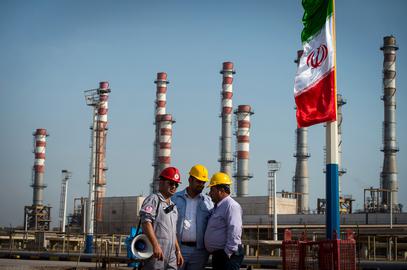
The impact on employment in this sector largely depends on the new owners of Savola’s assets. If the infrastructure for production and distribution of Savola’s products is dismantled, many workers in the sector could lose their jobs.
However, in the long term, Savola’s exit might create a more favorable environment for domestic manufacturers to expand their operations. The outcome depends on the plans and actions of the buyers of these high-value assets.
Reports suggest that the Modallel family has purchased Savola’s assets in Iran, although neither Savola Group nor any member of the Modallel family has confirmed or denied these claims.
The Modallel family, one of Iran’s wealthiest financial empires, already controls major companies in the food sector, such as the Mahidasht Kermanshah Agricultural Industrial and Vegetable Oil Complex. In 2020, the family was implicated in a financial scandal when an audit revealed they were among those who received large amounts of subsidized dollars at the official rate of 4,200 tomans per dollar. While such subsidies are officially reserved for importing essential goods, the audit found no corresponding imports. No legal action was taken against the family, reportedly due to their connections with high-ranking officials. The family is also said to hold a monopoly on livestock and poultry feed imports.
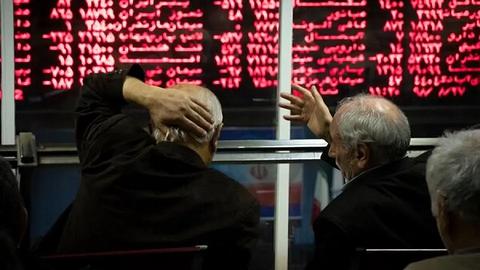
Savola’s departure, along with the broader trend of capital flight, comes at a critical time for Iran’s economy, which is in dire need of foreign investment. Even President Masoud Pezeshkian and his administration have repeatedly acknowledged this urgent need in public speeches.

Interested in writing for IranWire?
Share your stories.





comments