



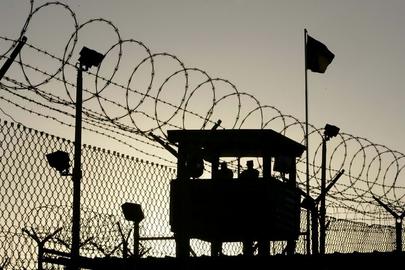
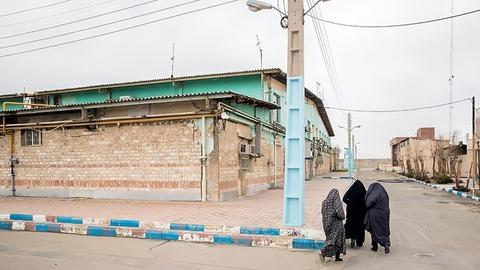
As Iran grapples with widespread gas and electricity shortages, behind prison walls, inmates face a desperate struggle against the winter cold.
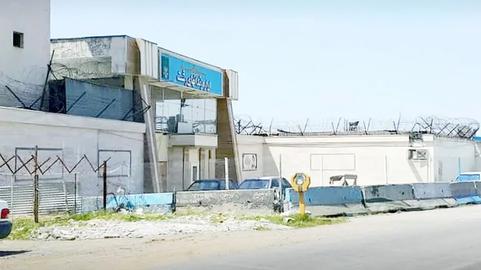
In northern Rasht’s Lakan Prison, 163 women huddle together, their collective breath the only source of warmth in cells left dark and freezing by power cuts.
“Each of us has two or three blankets and the limited clothing our families were allowed to provide at the start of autumn,” a woman incarcerated in the prison’s Kowsar ward told IranWire.
“We have to share these clothes with inmates who don’t have visitors or are in need. Even with the freezing temperatures and the lack of electricity and gas, our families were not permitted to provide us with additional clothing,” she added.
She said that the prison’s central heating system has been out of service for over two weeks, and the few gas or electric heaters in the prison have been turned off.
The few space heaters that once provided some relief now sit silent and cold, victims of the same energy shortages that have forced the closure of schools, government offices, and industrial facilities across the country.
For those without visiting family members, even these basic protections against the cold remain out of reach.
The women with supplies share what little they have, but prison authorities have refused requests for additional clothing despite the harsh conditions.
The crisis extends beyond just the cold.
Without electricity and hot water, diseases are spreading among the prison population. Yet the Prisons Organization has failed to provide medical care, in violation of its own regulations.
While Iran’s energy crisis has touched all sectors of society, from shuttered factories to darkened classrooms, it is perhaps nowhere more acute than in these concrete cells.
Reports from various prisons in Iran indicate that, amidst severe winter cold, inmates are deprived of heating, hot water, and electricity - conditions that have led to the spread of diseases.
The women incarcerated in Lakan Prison are unable to cook their own food and are forced to consume the low-quality meals provided by the facility.
The ward’s so-called kitchen contains only a single electric kettle, previously used for making tea, which is now unusable due to frequent power outages.
The prisoner who spoke to IranWire said, “There is no hot water, electricity, or gas. The sewage in the ward has overflowed, and we’re practically living in dirt, but our complaints don’t change anything.”
She said most inmates are sick, with some having seasonal illnesses like influenza, while others have contracted various diseases due to the intolerable conditions and cold. There is no medical care or treatment.
IranWire has also learned that weekly visits at Rasht’s Lakan Prison have been canceled for several consecutive weeks due to power outages.
When power is cut during visitation hours, prison authorities cancel visits, citing darkness and malfunctioning cabin telephones.
The frequent power outages have also led to the suspension of meetings regarding prisoner furloughs.
Qarchak Prison: A Frozen Hell
Khadijeh, a 47-year-old inmate at Qarchak Prison in Varamin, near Tehran, repeatedly described it to IranWire as “hell” and “the end of the world.”
She has been imprisoned in various facilities for nine years, with five of those spent in Qarchak - a prison notorious for being very hot in summers and freezing in winters.
This winter’s cold has been worsened by power outages, which, according to Khadijeh, occur more than once a day. The blackouts leave inmates without hot water or heating for extended periods.
Khadijeh said, “The prison has backup electricity, but during outages, only the administrative sections have power - not the inmates. Without electricity, there’s no heat, no water, and not even warm food.”
IranWire previously reported that Qarchak’s heating system had been shut down despite the extreme cold, leaving inmates in desperate conditions.
A source told IranWire that, in addition to shutting off the heating, prison authorities have also prevented families from delivering warm clothing to inmates at Qarchak Prison.
Khadijeh said over 100 women and 20 children are in Hall 4 of the prison. All of them are sick from the cold, lack of heat, and having to use cold water.
She added, “Have you ever heard of a prisoner wishing for more people to be incarcerated? We all pray for political prisoners to be sent here because only then do the media pay attention to Qarchak, and the authorities are forced to take action - at least then the world hears about us.”
Khadijeh, coughing as she spoke, said, “I have no visitors. If I die from the cold or illness, no one will come for my body. I’ve had a fever for a week. We’re all sick, but after the first day, when they gave us two antibiotics, there’s been no medicine. If someone gets really sick, they give a white pill - it’s not clear what it is, and it doesn’t help anyone.”
Qarchak’s heating system includes radiators and gas heaters.
According to IranWire sources, prison authorities have previously used the shutdown of these heaters as a form of collective punishment.
However, in recent days, due to widespread gas and electricity shortages, all radiators and heaters in the prison have been turned off.
Ahvaz Central Prison: Neglect of Sick Inmates
Inmates at Ahvaz Central Prison are struggling with the lack of electricity, hot water, and heating.
Hamzeh, an inmate transferred to Ahvaz Central Prison in 2015 after Karun Prison closed, described the prison’s harsh conditions, even under normal circumstances.
Inmates often lack access to clean drinking water and hot water. Six of the prison’s eight wards are without heating or cooling systems, and the inmate population far exceeds the prison’s 3,000-person capacity.
For the past 17 days, power outages lasting several hours have been common. Hamzeh added that even when the electricity is on, the radiators are still off.
He said, “They claim this central prison is built on a sea of oil and gas, yet we don’t even have gas for cooking.”
He added, “Many days, all we eat is bread and cheese for every meal because cooking isn’t possible. We don’t have tea, clean water, or even extra blankets in these conditions. Everyone is sick.”
He said that since late summer, the prison’s medical unit has been without a doctor, with only three nurses available to provide healthcare.
The nurses are unable to handle the seasonal illnesses, colds, and health issues caused by Khuzestan’s severe air pollution.
Hamzeh said, “No medications are given for any illness. No matter how sick we are, we’re not sent to outside medical facilities. They claim Ahvaz’s hospitals are on alert due to severe air pollution, so sick inmates aren’t transferred. But we’re exposed to the same polluted air as everyone else.”
Prisoners in Iran face harsh conditions despite rules that require the Prison Organization to protect their health.
The rules also guarantee access to drinking water, food, and heating and cooling. However, the country’s ongoing crises have worsened the violation of prisoners’ basic rights.

Interested in writing for IranWire?
Share your stories.






comments